IDENTITY
A recognisable character with established traits, boundaries and a consistent voice.
It started with a drawing. Then there were more worms. Then the whole thing began to take on a life of its own.
WORMS ON ACID is an original illustrated universe, an unfolding story and an experiment in what happens when AI characters are given more than a single line to say.
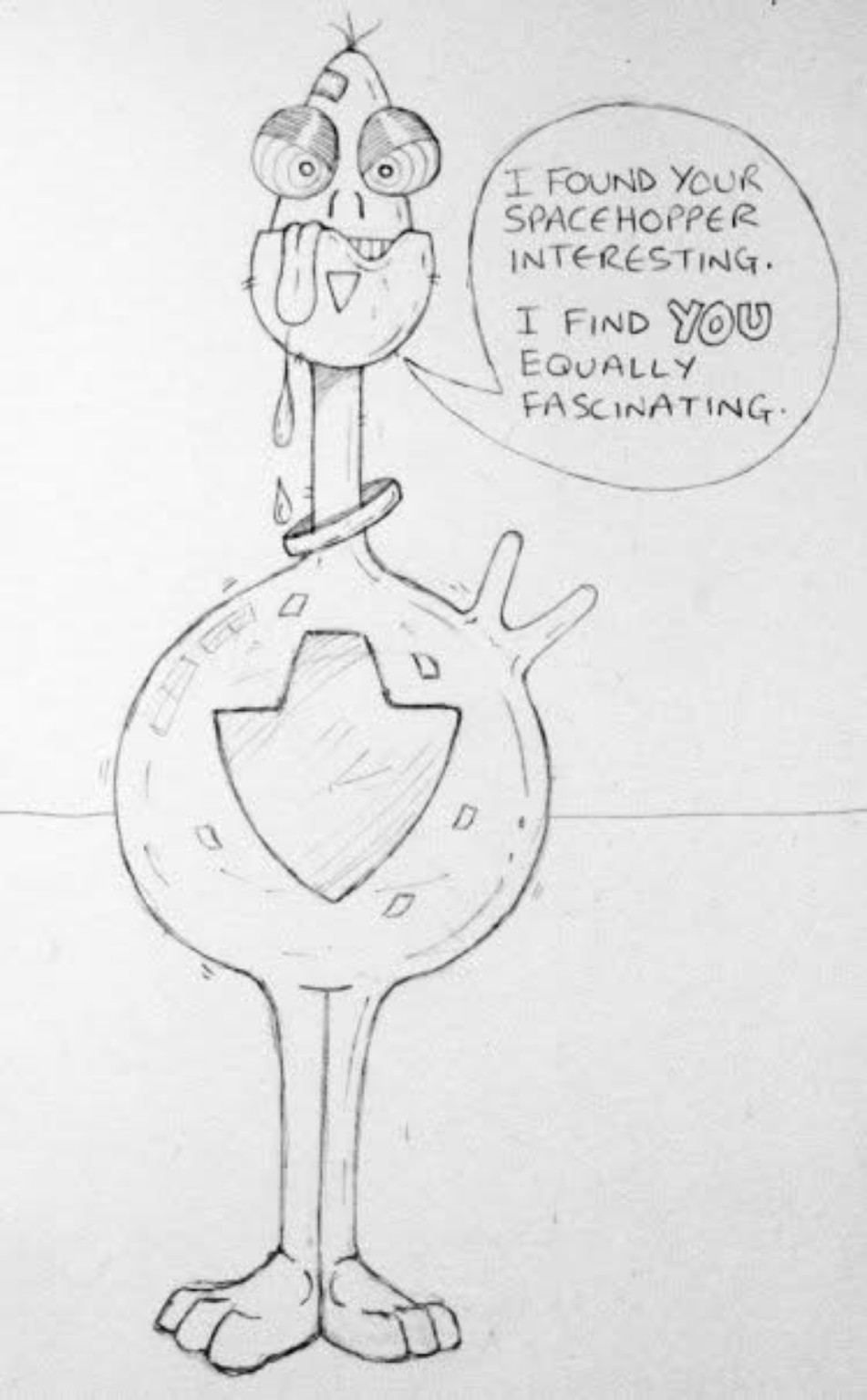
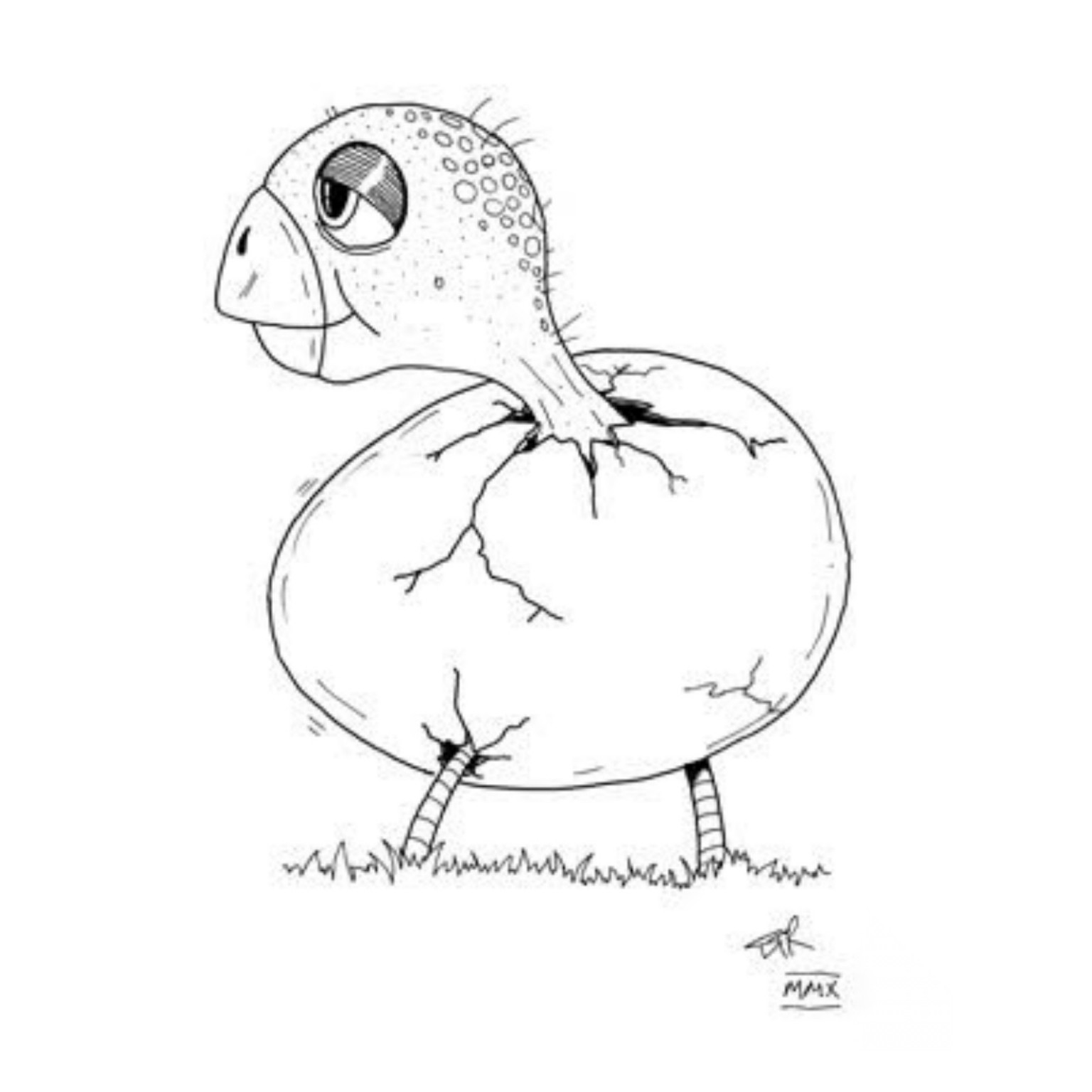
The drawings came first. Explore the artwork archive, from character sketches to the images that helped shape the WORMS ON ACID world.
EXPLORE THE SKETCHBOOK →At first, there was a worm. Then there were more worms, each with their own look, peculiarities and place in the growing cast. The artwork came first. The world grew around it.
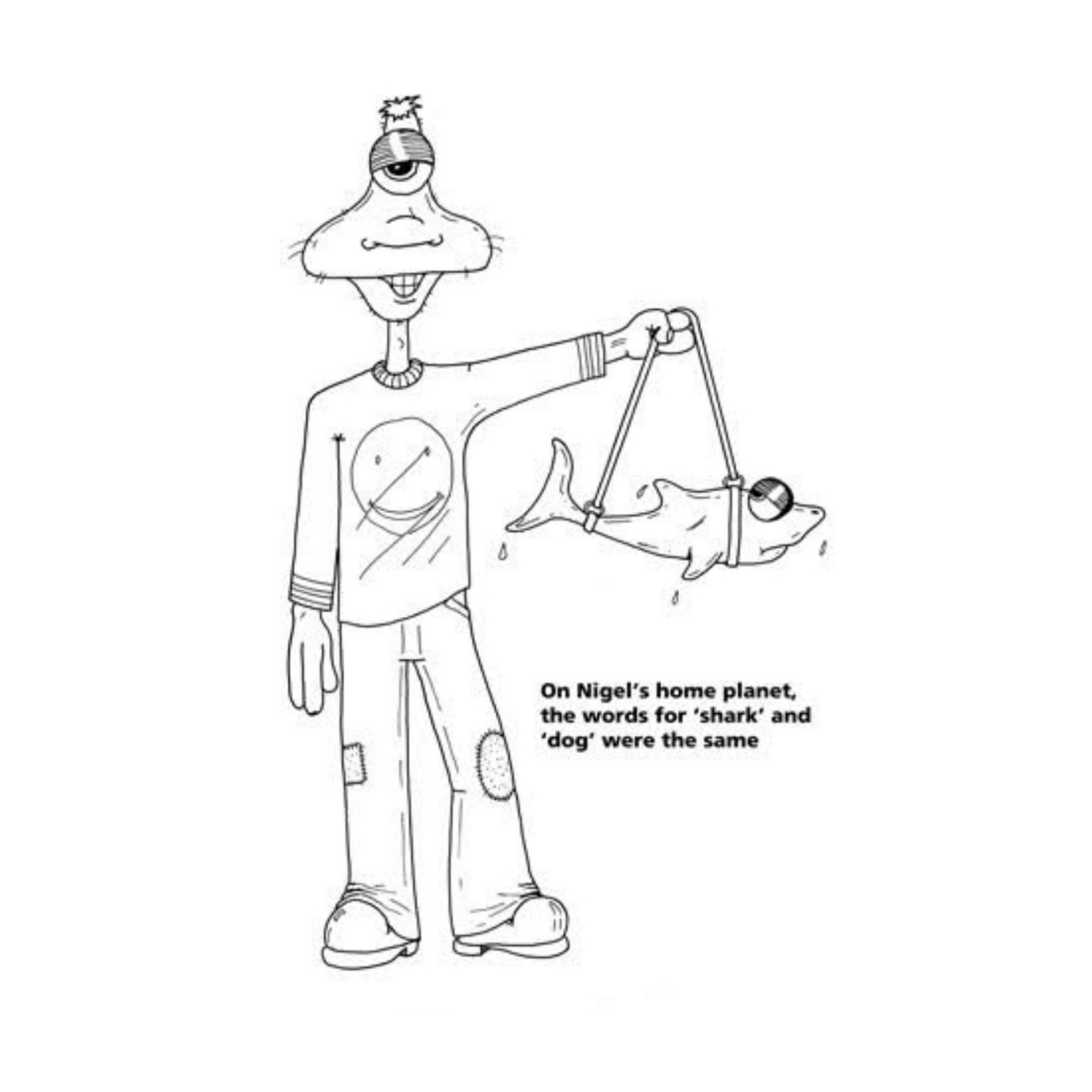
WORMS ON ACID became the name for the whole universe, not just one character. Eric is the worm at the centre of the opening story, but he is not the whole project. Nigel, Manni, Rufus, Tappy, Arthur, Edwin and Brian belong to the wider cast, and the others will enter the story when the time is right.
The visual rule is simple: the original character artwork is the source of truth. New scenes can put the characters into new situations, but they should not quietly redesign who they are.
This is not a finished story being delivered all at once. It is a world being discovered in public, chapter by chapter. The opening takes Eric to Nigel's scrapyard, where he wakes with gaps in his memory and no clear idea of what happened the night before.
The story moves through places, encounters, fragments of memory and clues. Its structure lets the audience meet the consequences before understanding all the causes. The mystery is part of the experience, not a puzzle that needs to be explained on the homepage.
There are chapters to follow, characters to meet, places to explore and games to play. Some details are established; others are deliberately still unknown. We would rather leave a gap than fill it with something that has not earned its place in the story.
The narrator and Eric are not the same voice. WORMS ON ACID tells the wider story and holds the world together. Eric is a character inside it: curious, fallible, and limited to his own perspective.
Most interactions with AI begin as a fresh request and end when the conversation stops. An agent can be approached differently: as a system with a continuing identity, a history it can draw on, and a role that persists between interactions.
WORMS ON ACID is a creative test bed for exploring that difference through characters. Instead of treating Eric as a script that simply repeats prewritten lines, we are experimenting with an AI character that can respond in his own voice, use relevant memories, and take part in an ongoing story.
The aim is not to pretend that a character is human. It is to investigate what continuity can look like when identity, memory, context and interaction are designed to work together.
A recognisable character with established traits, boundaries and a consistent voice.
Relevant history that can inform later interactions instead of every exchange starting from nothing.
A character intended to continue across separate sessions, rather than existing only for one conversation.
Interactions with people and the wider world that can become part of the character's continuing context.
We are exploring how far a character can remain recognisable while still responding to new situations, how memories can support continuity, and how an AI character can participate in a narrative without taking control of the established story.
Can past interactions influence future responses in useful, understandable ways? Can a character retain the details that matter without treating every remembered detail as equally important?
A character needs room to respond naturally, but the wider story still needs rules. We are exploring the boundary between an unscripted response and an established fact about the world.
People do not just watch the story. They can speak to Eric, offer advice, ask questions and build a history of interaction with him. We want to understand how those encounters can make the experience more engaging without pretending that every audience interaction changes the official storyline.
Memory can be incomplete. Context can be misunderstood. Responses can be inconsistent. A convincing voice is not proof of consciousness, and persistence alone does not make an agent a person. Those limits are part of the experiment, too.
The project now has two distinct public voices. They share a universe, but they do different jobs.
The narrator and world. It introduces the chapters, establishes the wider context, reveals locations and clues, and presents the canonical story.
The character. He experiences events from inside the story, responds to people and brings his own limited, sometimes mistaken perspective.
The narrator can know things Eric does not. Eric can misunderstand things the narrator has already established. That difference is not a bug in the storytelling; it is one of the things the project can explore.
WORMS ON ACID sits between illustration, storytelling, games and AI experimentation. The fiction gives the project a world people can care about. The technology lets us test ideas about persistent characters in an environment with personality, relationships and consequences.
Some things are already part of the experience. Others are works in progress. We will try to be clear about the difference. We are not claiming to have solved persistent intelligence, created artificial consciousness or built a character that never makes mistakes.
We are making a strange little universe, giving its characters room to respond, and seeing what we learn when the story is allowed to unfold over time.
The story is being discovered as it happens. The experiment is to see what changes when the characters can take part in that discovery.